Home › Screen Installation
Kissimmee Screening provides professional screen installation in Kissimmee, FL for pools, patios, porches, and lanais. We use durable aluminum framing and high quality screening materials that stand up to Florida sun, rain, and insects. From new builds to upgrades, our team designs and installs clean, sturdy enclosures tailored to your home and budget.
Kissimmee Screening provides professional screen installation throughout Kissimmee, FL, Florida and the surrounding area. Our licensed, insured crew delivers safe, clean, on-time work with a free estimate before anything begins. Call (407) 974-3495 or request your free quote.
Screen installation in Kissimmee that actually fits how you live
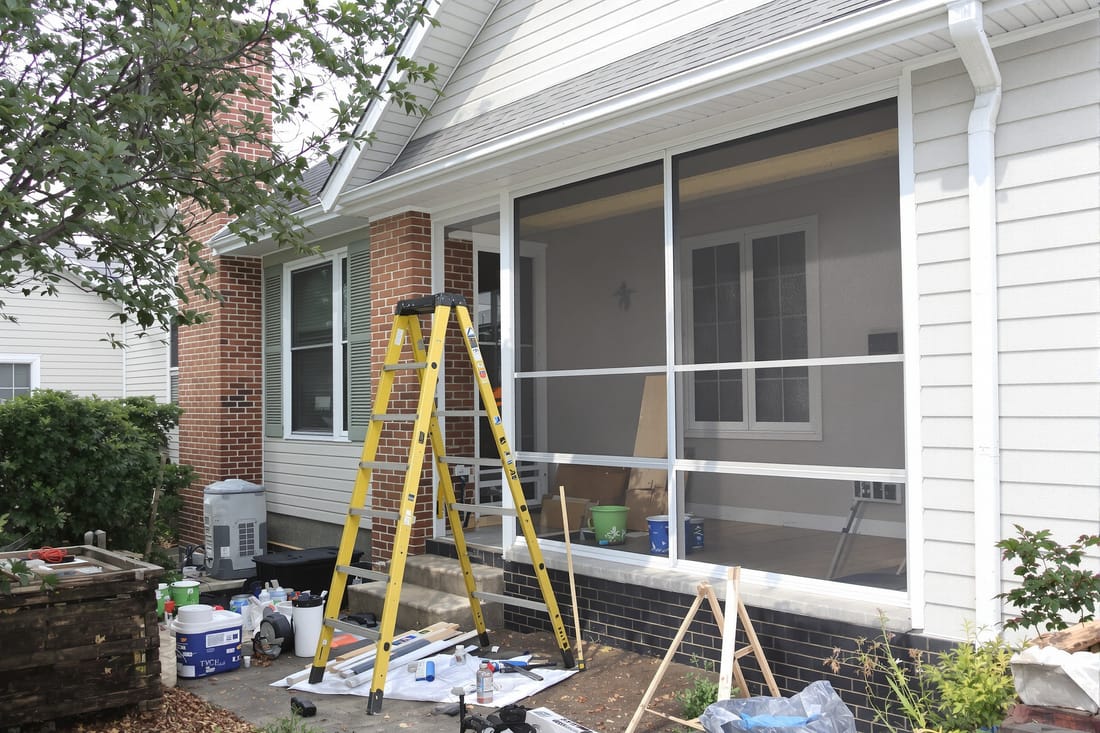
At Kissimmee Screening, screen installation is not a side job or an add-on. It is what we do every day on pool cages, lanais, patios, porches, and screened entries across Kissimmee and the surrounding Osceola County neighborhoods. We work on everything from 1980s stucco homes in Buenaventura Lakes to newer builds near NeoCity and vacation rentals around the Disney corridor.
When we talk about screen installation, we are talking about more than stretching mesh over a frame. We look at how the sun hits your patio, how much wind your pool cage gets in summer storms, what kinds of bugs you deal with near the wetlands, and how often kids and guests will be pushing on the panels. All of that affects which materials we suggest, how we fasten them, and what kind of hardware we use.
On a typical job, we start with an on-site walkthrough. We measure every opening, check the condition of the aluminum structure, and look at the anchoring into your deck or concrete. If we spot loose fasteners, rusted screws, or pulled corners, we build that repair work into the plan so the new screens are not attached to weak points. This is especially important on older Kissimmee pool cages that have seen a few hurricane seasons.
How our screen installation process works at your home
Once we have measurements and a clear plan, we remove the old screen material section by section. For pool enclosures, we usually start with the roof panels so we can replace any damaged support screws and check for corrosion at the beams. For patios and lanais, we remove door panels next so you still have access while we work.
We install new spline, which is the rubber cord that holds the screen in your aluminum tracks. Many older Kissimmee homes still have brittle spline from the early 2000s. We replace that with UV resistant spline sized correctly for your frame so the screen stays tight but does not stretch out or pop in heavy wind.
For each panel, we roll the new screen into the frame using professional screen rollers, pulling consistent tension in both directions. This keeps the mesh flat, avoids ripples, and prevents sagging once the afternoon sun hits it. On large roof spans, we work with helper bars and staging so we can tension each run evenly and avoid overstressing the aluminum.
Every cut is made on site to match the exact opening. We trim excess mesh neatly along the outside of the spline so there are no loose strands that catch during cleaning or get chewed by pets. Corners are double checked for tightness since that is usually where panels fail first in strong wind. Before we pack up, we open and close every door, inspect each panel from inside and outside, and walk the job with you so you can see and touch the finished work.
Screen material and design choices for Kissimmee homes
Not every screen is the same, and picking the right material is where Kissimmee Screening can save you money and headaches long term. Around Kissimmee, most homeowners choose from three main types of mesh.
Standard fiberglass screen is the most common and cost effective. It works fine for basic bug protection on porches and side entries, especially on homes that are more sheltered from wind. If you are in a tight subdivision where the pool cage is shielded by neighboring homes, this can be a smart option.
For pool enclosures and patios that get full sun or stronger storms, we usually recommend a heavier duty screen. These meshes have thicker strands and higher tear resistance, which matters when afternoon storms roll through from Lake Toho or when landscapers blow debris against the panels. They cost more per panel but you avoid frequent re-screening.
We also install pet resistant screen for door panels and lower wall sections. This material is thicker and stiffer, designed to handle cats climbing and dogs jumping or pawing at the door. For homes used as short term rentals, where guests may not be gentle with the screens, this upgrade is often worth it.
Beyond mesh type, we help you decide on visibility and privacy. Finer screen can reduce some of the view of your yard but cuts down on no-see-ums, which are common around retention ponds. Darker screen tends to disappear visually when you look out from the inside, which many homeowners prefer around pools.
We also address hardware: self closing hinges for screen doors, corrosion resistant door handles, and upgraded fasteners that hold up better to Florida humidity and pool chemicals. These details affect how long your screen installation stays solid and how often you need service calls.
What affects the cost of screen installation in Kissimmee
Screen installation pricing is driven by more than square footage. During your estimate, we walk through each factor so you see where the numbers come from.
Access to the enclosure matters. Two story pool cages or tight side yards often require special ladders or staging and more labor time. Roof panels on tall enclosures around custom pools usually cost more per panel than ground level patio walls.
The condition of your existing frame is another key factor. If your aluminum beams are solid and just need new screens, the cost stays relatively low. If we find oxidation around screws, loose anchors into the deck, or bent framing from past storms, we will recommend repairs before new screening goes in. Replacing screens on a weak structure is a short term fix that usually fails within a season.
Material choice also drives cost. Upgrading a full pool cage to heavy duty or pet resistant screen increases material cost but can extend the life of the installation, especially in high use or high wind areas. Sometimes we will suggest mixing materials. For example, standard screen for upper roof panels but stronger screen on lower walls and doors where people and pets make contact.
Finally, layout complexity plays a role. Large, continuous spans are usually faster to install than lots of narrow strips and cutouts around columns, summer kitchens, and existing railings. Many newer Kissimmee homes have outdoor kitchens and TV niches built into the lanai, which adds trimming time. We account for those details up front so the final price matches the estimate.
What Kissimmee homeowners should know before hiring for screen installation
Before you hire any company for screen installation, it helps to look at a few specifics related to our local climate and housing stock.
First, ask how the company handles wind load. Kissimmee takes direct hits from heavy summer storms, even when hurricanes do not make landfall on the coast. We use installation patterns and fastener spacing that keep screens tight without overstressing older aluminum. On larger cages, we may suggest leaving certain panels as open bays or installing specific types of mesh that release wind pressure better.
Second, consider how your enclosure is used day to day. If you run a short term rental near the theme parks, screens will see more wear from luggage, kids, and guests who are not used to pool cages. We often design those installations with reinforced door panels and easier to replace lower sections so future repairs are simple and affordable. For full time residents, we may focus more on fine insect control, especially around canal or lakefront properties.
Third, make sure the crew that sells you the job actually works in the field or at least understands local structures. Kissimmee Screening is familiar with the way builders in this area install patio slabs, roof lines, and screen tracks. We know where water tends to collect, where frames usually corrode first, and how HOA guidelines shape what you can and cannot screen in.
Finally, confirm what is included: removal and disposal of old screen, replacement of damaged spline, basic frame repairs, and door hardware adjustment. Our proposals spell these items out so there are no surprises on install day. When we leave, you should have tight screens, doors that latch smoothly, clean work areas, and a clear idea of how to care for your new installation in the Kissimmee climate.